
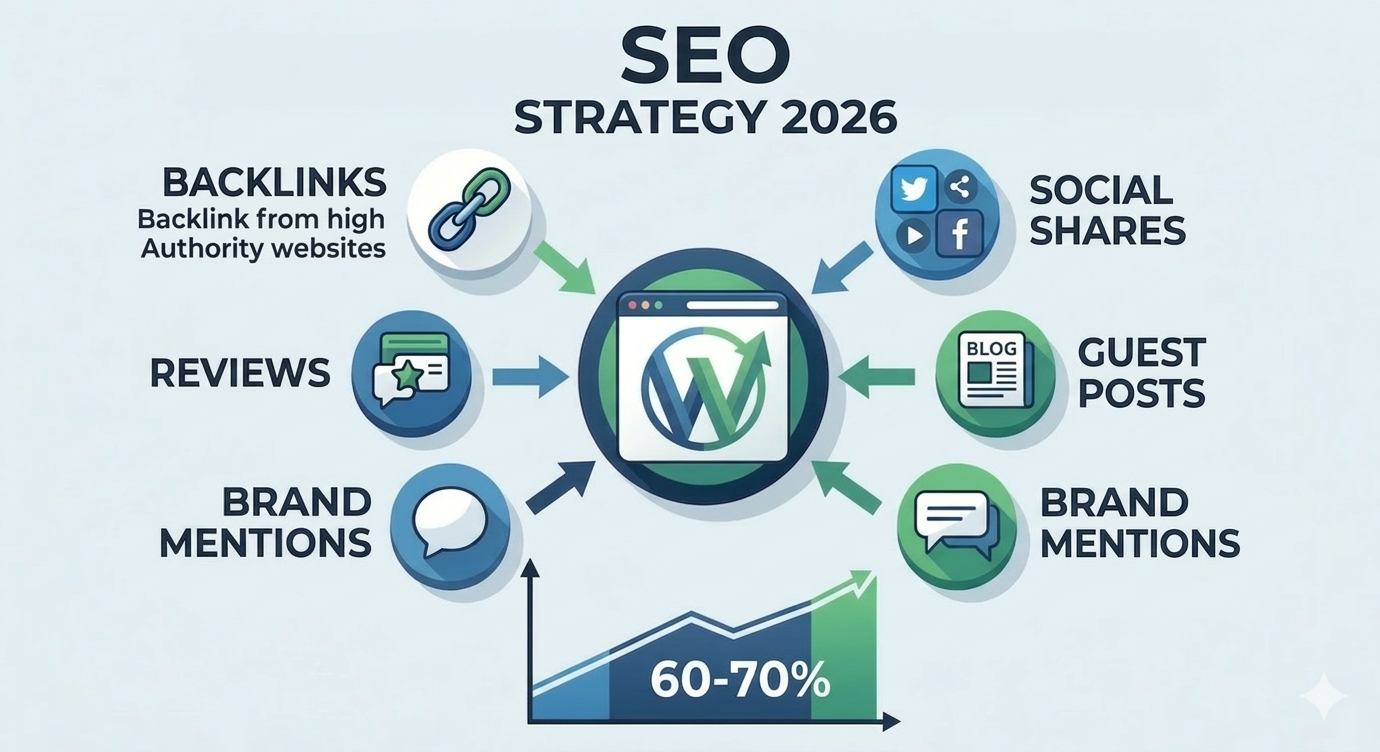
SEO stands for Search Engine Optimization and encompasses a variety of techniques used for improving a website’s position in search engines (such as Google, Bing or Yahoo). The ultimate objective of SEO is to rank your website as highly as possible in the ‘organic’ (non-paid) search results when people are searching for products or services relevant to your business. Breaking SEO down into three parts will allow you to understand what is SEO and how it works.
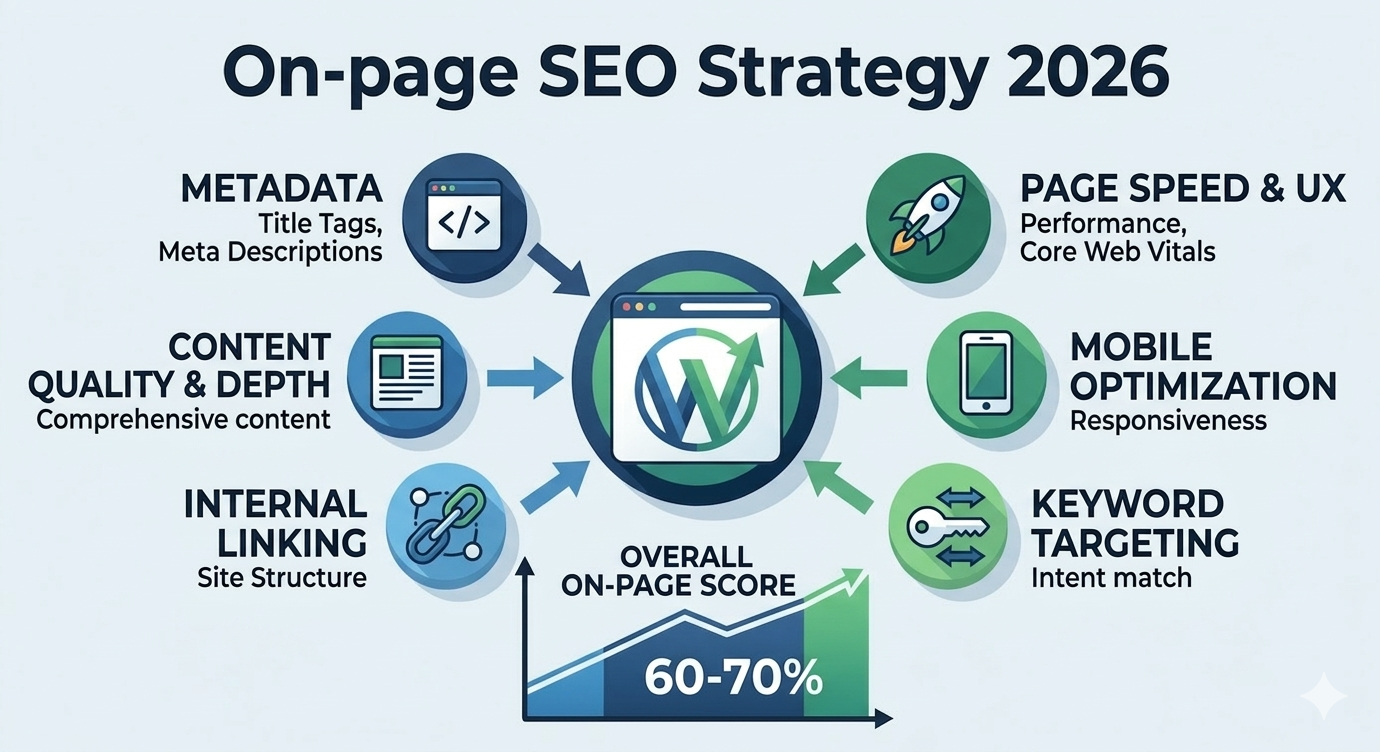
The first part of SEO is on-page SEO (content and keywords). This refers to the elements that you control on your website. There are 3 parts to on-page SEO:
1) Keyword Research – Finding out what people type into search engines to find information about your business.
2) Content – Creating quality, informative, and professionally written blog and service pages that answer the questions of customers.
3) Meta Tags – Optimizing titles and descriptions of your website pages to entice people to click through to your page when they see your website listing in the search engine results.
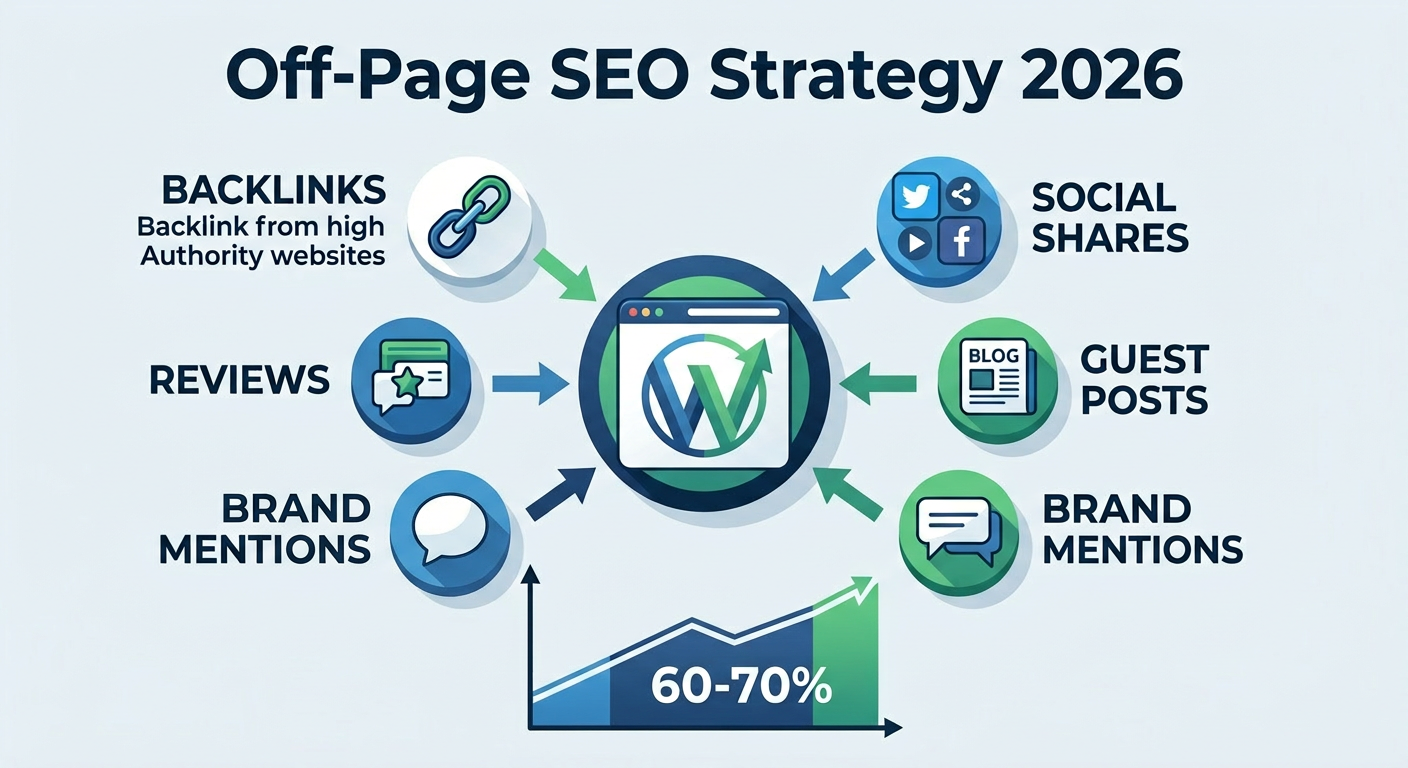
The second part of SEO is off-page SEO (authority and trust). This is what happens off of your website that still impacts your ranking on search engines.
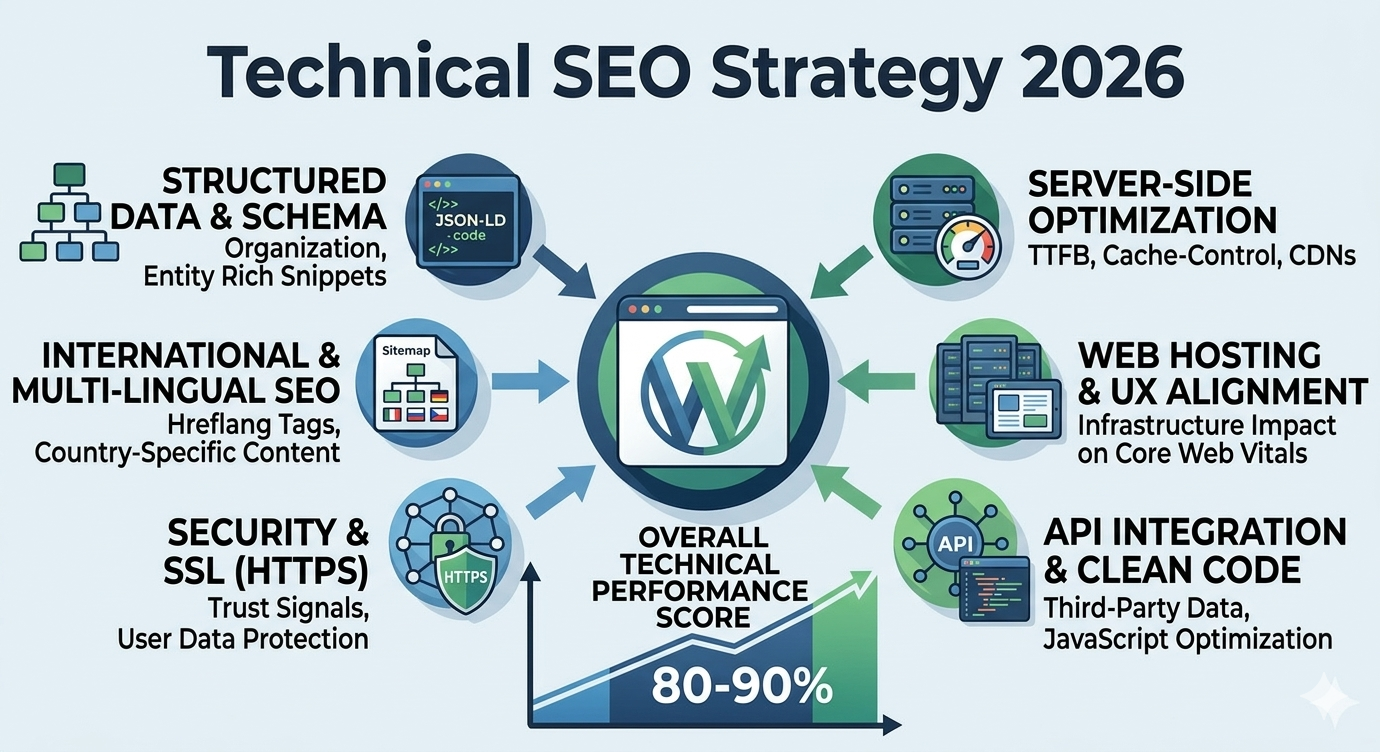
The third aspect of SEO is technical SEO (performance). Technical SEO refers to the backend of your website, where you will need to make sure that your website’s pages are properly indexed by search engines.
1) Backlinks – When reputable websites link to your website, this is considered a ‘vote of confidence for search engines,’ validating your website as being worthy of respect.
2) Social Signals – While social signals do not directly influence your ranking on search engines, they do drive traffic to your website and improve your visibility in search engines.
Technical Search Engine Optimization (SEO)
Technical SEO deals with the backend elements of your web site that can affect how well search engines can discover, crawl and understand your content on your site.
Page Speed- Search engines rank web pages much lower if they have slow load times.
Mobile-Friendly- Having a mobile website that not only looks great but functions well too.
Site Navigation- Create a structure (hierarchical) so people and web crawlers can easily navigate through the site.
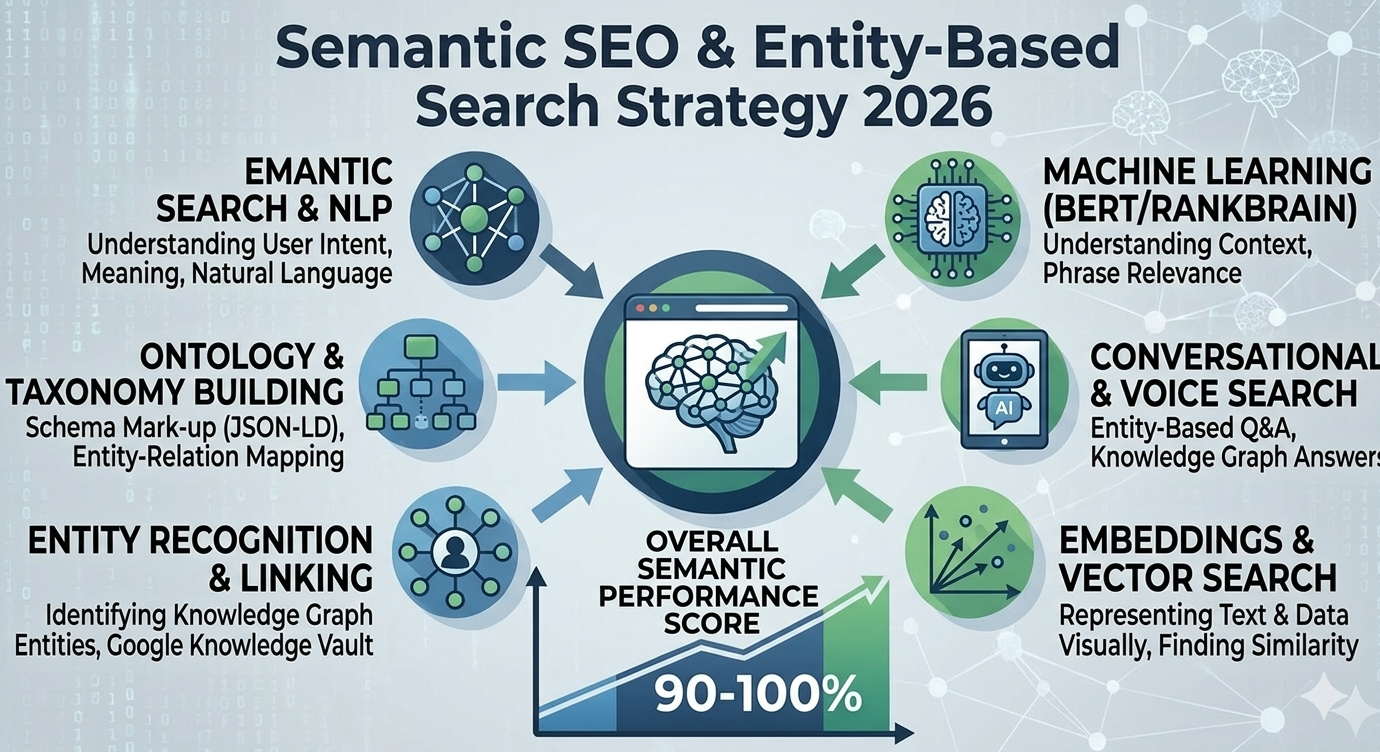
Semantic SEO & Entity-Based Search
Entities (people, places, things and ideas) will now be the main methods of a Search Engine when looking for information, rather than just word searches.
Pillar Page and Topic Clusters: Instead of creating one page for each keyword, you create a Pillar Page (for example, a broad overview) that links to many other individual Cluster Pages (in-depth of a keyword). This demonstrates to Google that you possess Topical Authority.
Natural Language Processing (NLP): Algorithms now know how two words are related. You are able to help AI recognize your content by using different variations of a keyword (like LSI) instead of repeating it.